
On Friday 9th January, Rhetoric students Ollie Worth and Leon Zang Patje led the morning prayer:
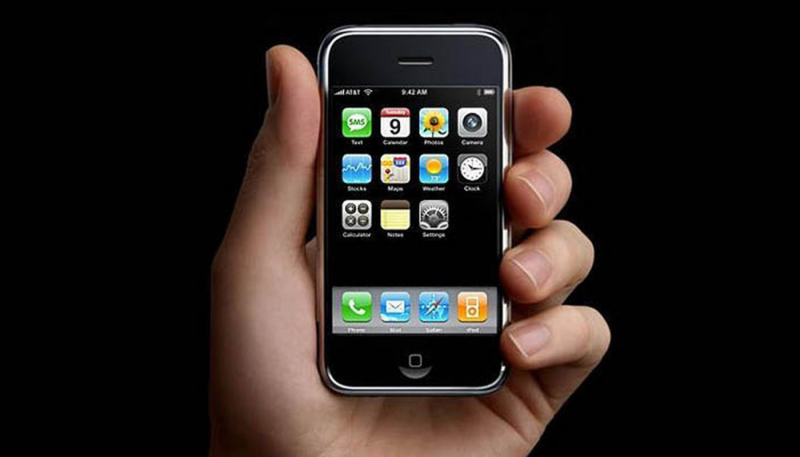
Today marks the anniversary of the first iPhone. At the time, it was just a new gadget — a sleek device that promised to change the way we communicate. But looking back, it’s hard to think of anything else that has changed our lives so much in such a short time.
Most of us probably checked our phones the moment we woke up. Before breakfast. Before conversation. Before really thinking about the day ahead. That’s not a criticism — it’s just how life is now. Take a second to think about it: what was the first thing you did this morning? Was it reaching for your phone? Did you scroll through messages, social media, or the news? It’s such a small act, but it says a lot about how connected we’ve become to these devices.
This small device shapes how we communicate, how we learn, how we relax, and even how we see ourselves. It’s designed to connect us, and it does. We can talk to people across the world instantly, send messages at any hour, access almost limitless information, create and share ideas, and even learn new skills with just a few taps. It can be inspiring, educational, and incredibly useful.
But it’s worth asking: what else comes with that convenience? Phones make it hard to switch off. Hard to be bored. Hard to just exist without distraction. We scroll without thinking, compare ourselves to people we barely know, and fill every spare moment with noise. We open apps automatically, almost without realizing it. Maybe we check for likes or notifications out of habit, not curiosity. And sometimes, when we finally put the phone down, we notice that we feel restless, distracted, or even a little empty.
Sometimes, despite being more connected than ever, we feel more distracted — or even more alone. We see other people’s highlight reels online, and it’s easy to forget that everyone’s life is messy and complicated behind the screen. We focus on what’s happening elsewhere instead of noticing what’s happening right in front of us.
Phones aren’t bad — they’re tools. The real question is: do we control them, or do they control us? What we give our attention to shapes who we become. Over time, habits form, and small choices add up. Every notification we check, every hour we scroll, slowly builds the life we live and the way we see ourselves.
So today, on this anniversary, it’s worth pausing for a moment and asking ourselves: how is this small device shaping me? Is it helping me grow, connect, and learn — or is it taking attention away from the people and experiences around me? How often do I notice the world outside the screen? How often do I just sit quietly, without distraction, and observe what’s happening right in front of me?
At Clongowes, we’re encouraged to think about the kind of people we want to be. That applies not only to our studies or sports, but to the way we interact with the world — and with the technology in our hands.
The most meaningful moments in our lives won’t happen on a screen. They’ll happen here — in classrooms, on pitches, in conversations, and in quiet moments that we don’t post about. They’ll happen when we notice a teammate struggling, when we listen to a friend without distraction, or when we simply pause and take in the world around us.
Being present is harder than it seems. It’s hard to really listen if half your attention is elsewhere. It’s hard to notice when someone needs help if your mind is somewhere else entirely. But those moments — the ones that actually matter — are all around us.
So maybe the challenge today is simple: notice your habits. Not judging them — just noticing. Notice when you reach for your phone out of boredom or stress. Notice when you choose distraction over presence. Notice when putting the phone down actually makes you feel calmer, more aware, or more connected.
Awareness gives us choice. And choice gives freedom. Freedom to focus on what matters, freedom to build real relationships, freedom to shape the person we want to become.
The goal isn’t to never use phones, but to use them well. To make space for real conversations. To be present to the people around us. To remember that our value isn’t measured in notifications, likes, or followers, but in who we are and how we treat others.
So today, let’s take a moment — a quiet, phone-free moment — to think about what we hold in our hands, and what we’re holding in our lives. What are we paying attention to? What are we missing? These small daily choices slowly shape the people we become.
And if we can notice, reflect, and make small changes, maybe we can use our devices — and our time — in a way that truly makes our lives richer. Not just today, but every day.
By Ollie Worth and Leon Zang Patje